
If you’ve recently replaced your toner cartridge but your printer is still producing poor-quality prints, you may be asking an important question: Do I need to replace the drum unit too? It’s a common issue that many printer owners face, especially with laser printers that use separate toner cartridges and drum units.
While toner cartridges and drum units work together, they serve different functions and do not always wear out at the same time. Understanding the role of the drum unit and recognizing the signs of wear can help you avoid unnecessary replacements while maintaining high-quality printing.
This guide explains when you should replace the drum unit, how it differs from a toner cartridge, and how to identify common drum-related print issues.
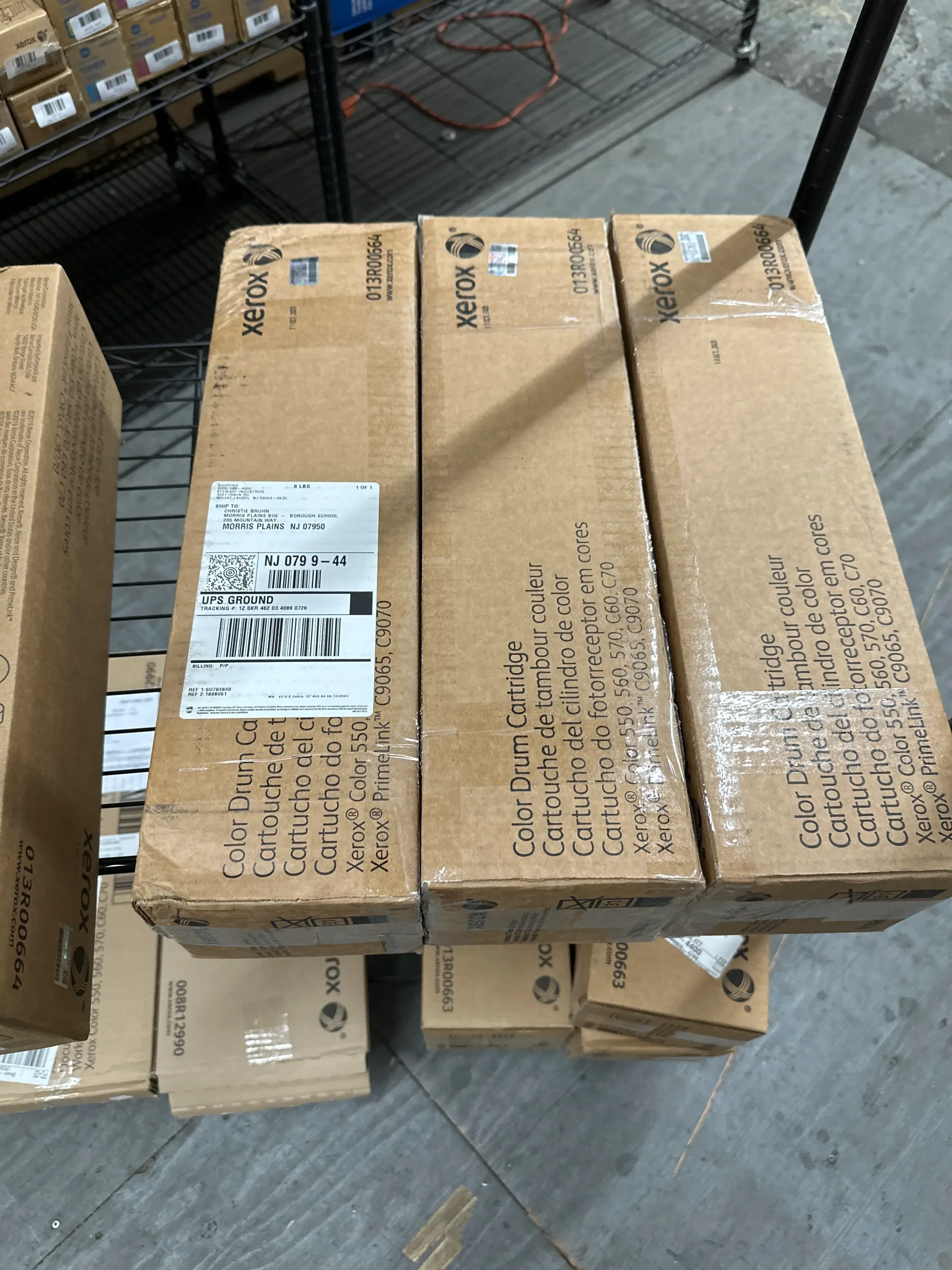
Many people confuse toner cartridges and drum units, but they are separate components in many laser printers.
The toner cartridge stores the toner that is transferred to paper during printing.
The drum unit is responsible for:
Because of this, even a brand-new toner cartridge may not solve print quality issues if the drum unit is worn out.
In most cases, no.
Depending on usage, toner cartridges may last:
Many drum units are designed to last:
As a result, you typically replace toner cartridges more often than drum units.
Several print quality issues may indicate that the drum unit is reaching the end of its lifespan.
If you notice:
the drum unit may be damaged or worn.
A worn drum can produce:
Because of this, fading may not always be caused by low toner.
Certain print defects often point directly to the drum unit.
Over time, the drum surface can:
As a result, print quality begins to decline.
Many modern laser printers monitor drum usage.
While some warnings allow additional usage, they should not be ignored indefinitely.
Because of this, printer alerts can provide a helpful indication of drum health.
If you suspect a drum issue, a visual inspection may help.
Follow the printer manufacturer’s instructions.
As a result, obvious defects often confirm that replacement is needed.
Businesses looking for reliable OEM toner and printing supplies can explore options from Toner Connect.
Many users assume poor print quality automatically means the toner cartridge is empty.
Replacing toner without checking the drum unit can lead to:
If print problems continue after installing new toner, the drum unit becomes a likely suspect.
Because of this, troubleshooting should include both toner and drum inspection.
Proper printer care may help maximize drum performance.
Avoid:
As a result, careful handling helps prevent premature wear.
Not necessarily.
Some printers use:
If the toner is full but the drum is worn, replacing only the drum may be sufficient.
Because of this, understanding your printer model can save money.
Continuing to use a failing drum unit may result in:
Employees may spend time:
As a result, delaying drum replacement can affect business efficiency.
Understanding the difference between toner cartridges and drum units can help prevent unnecessary expenses and printing frustrations. While toner cartridges are often replaced more frequently, drum units eventually wear out and can significantly affect print quality.
By recognizing warning signs such as streaks, fading, repeating marks, and printer alerts, you can determine when it’s time to replace the drum unit and restore optimal printer performance.
Replacing a toner cartridge doesn’t always solve printing problems. In many cases, the drum unit is responsible for faded prints, streaks, smudges, and recurring image defects. By learning how drum units work and recognizing the warning signs of wear, you can make informed maintenance decisions, improve print quality, and extend the life of your office printing equipment.
